
Inspiring, educating and engaging Australian organisations in work health & safety excellence since 1927
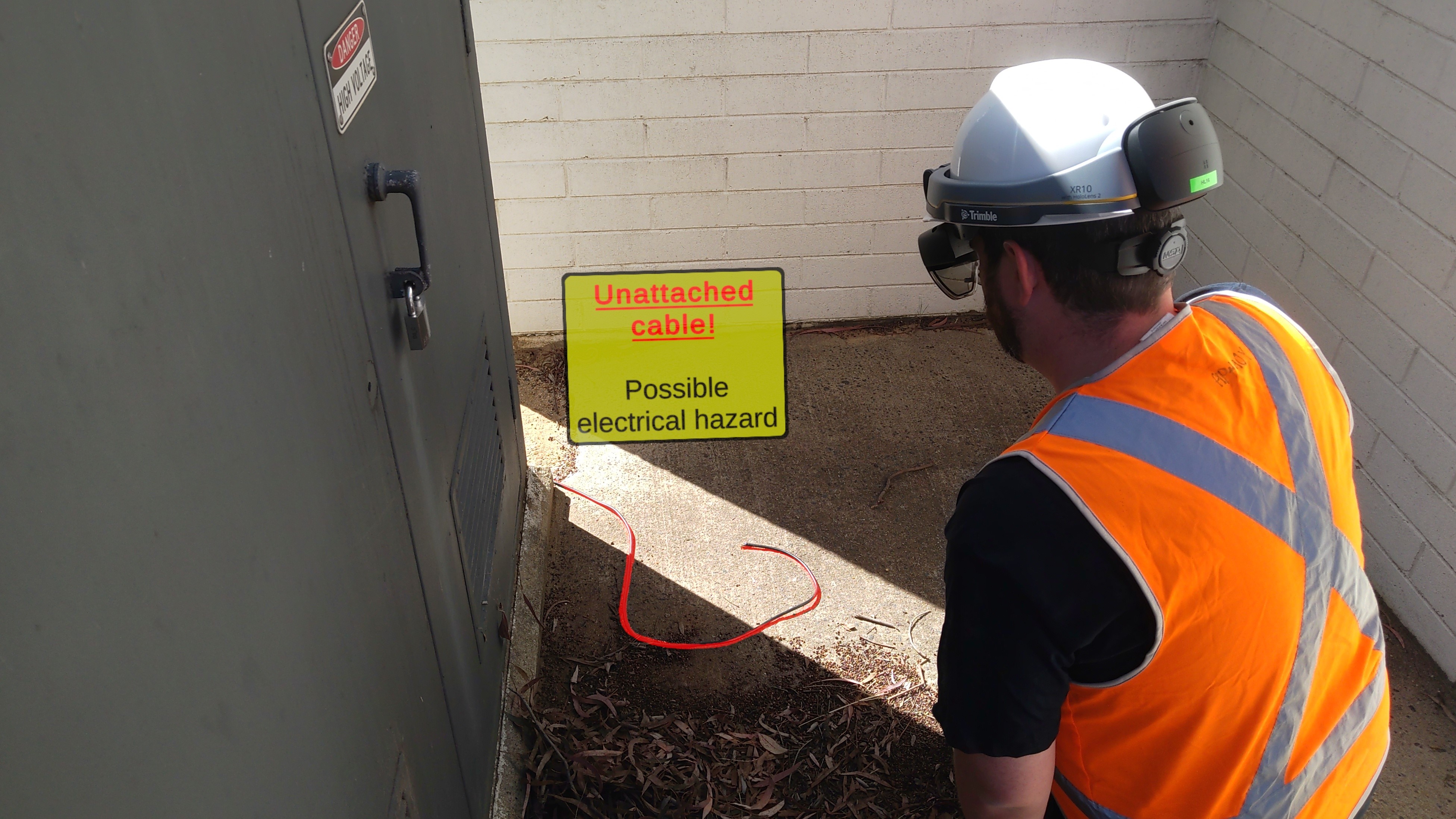 CSIRO has announced that it will partner with five universities to keep Australians safe at work using the latest digital technologies. The $18 million Tech4HSE program will enable researchers in emerging fields such as generative and immersive artificial intelligence (AI), augmented reality and cybersecurity to develop technology to aid those working in dangerous environments.
CSIRO’s data and digital arm, Data61, joined forces with the University of Queensland, Swinburne University, UNSW, Curtin University and Australian National University for the program. Professor Aaron Quigley, Science Director of Data61, said the technologies developed will support health, safety and environmental (HSE) objectives across a range of industries. “We’re bringing the best researchers in the nation together to help get everyone home safely, by creating advanced digital tools for training, identifying and monitoring hazards, and planning responses and actions,” Quigley said.
Data from the Australian Bureau of Statistics shows that 497,300 Australians suffered from a work-related injury or illness in 2021–22. All participating institutions will contribute funding and research expertise to the program, with UQ administering the funding. UQ Tech4HSE Science Lead Dr Mashhuda Glencross said the project represents an opportunity to make a difference. “The innovative technologies we are researching and developing in this initiative are aimed at supporting the safety of Australians during disasters and when working in potentially hazardous environments,” Glencross said.
Prototypes will be built over five years and trialled in real-world job scenarios to develop commercially viable products that are responsible by design. The first project currently underway involves researchers from Data61 and UQ developing technologies to support crisis preparedness and response for workers in the energy industry. Data61 Tech4HSE Science Lead Dr Matt Adcock said one example of the technology being developed combines computer vision models and 3D generative AI.
“Our aim is to take smart glasses to a new level by enabling the placement of helpful digital holograms within the physical work environment to support emergency response safety training and assisted decision-making under heightened stress levels,” Adcock said.
Researchers are also working with stakeholders in the power industry to ensure prototypes are sensitive to industry needs. The program strategically aims to bring Australia’s university expertise and CSIRO’s capabilities together to maximise the impact of science, research and development for Australians.
Image caption: Tech4HSE researcher Stuart Anderson testing prototype augmented reality technology that highlights and alerts the headset wearer to a possible electrical hazard. Image credit: CSIRO

